You’re not bad at emotions—you were just never taught how to work with them.
The BEND Emotional Regulation Guide is a comprehensive, trauma-informed digital guide designed to help you understand, regulate, and respond to your emotions with clarity and self-compassion. Created by licensed marriage and family therapist Kate Gray, LMFT (@codependencykate), this guide turns emotional overwhelm into something practical, manageable, and human.
Whether you’re feeling anxious, overstimulated, shut down, reactive, or emotionally flooded, BEND gives you real-world tools you can actually use in the moment—not vague advice like “just journal” or “take a deep breath.”
What You’ll Learn
How to regulate your emotions without shame or self-judgment
The BEND Method (Behavior, Emotions, Needs, Desires) for self-compassion and re-parenting
How to separate your emotions from other people’s emotions
Practical tools like Self-Compassion, Emotional Forecasting, Hate Lists, and Tapping
Why emotions are “energy in motion” and how to work with your nervous system—not against it
What’s Inside
Step-by-step explanations of 5 core emotional regulation skills
Real-life examples and guided worksheets
Embedded video links from Kate explaining each concept
Somatic tools backed by neuroscience and trauma research
Resources for crisis support, therapy, and continued learning
This Guide Is For You If:
✔ You want healthier relationships but don’t know how to respond differently
✔ You’re breaking old patterns around codependency, people-pleasing, or emotional reactivity
✔ You want tools that work when you’re overwhelmed—not just when you’re calm
✔ You were never taught how to support yourself emotionally growing up
Why BEND Works
BEND doesn’t pathologize your emotions—it normalizes them. Instead of asking “What’s wrong with me?” you’ll learn to ask “What do I need right now?” This shift alone can change how you relate to yourself, your partner, your kids, and everyone around you.
This guide is not therapy, but it is therapy-informed—and for many people, it’s the missing piece they wish they’d learned years ago.
Your emotions make sense. Let’s learn how to listen to them.
Instant digital download. Lifetime access.
You’re not bad at emotions—you were just never taught how to work with them.
The BEND Emotional Regulation Guide is a comprehensive, trauma-informed digital guide designed to help you understand, regulate, and respond to your emotions with clarity and self-compassion. Created by licensed marriage and family therapist Kate Gray, LMFT (@codependencykate), this guide turns emotional overwhelm into something practical, manageable, and human.
Whether you’re feeling anxious, overstimulated, shut down, reactive, or emotionally flooded, BEND gives you real-world tools you can actually use in the moment—not vague advice like “just journal” or “take a deep breath.”
What You’ll Learn
How to regulate your emotions without shame or self-judgment
The BEND Method (Behavior, Emotions, Needs, Desires) for self-compassion and re-parenting
How to separate your emotions from other people’s emotions
Practical tools like Self-Compassion, Emotional Forecasting, Hate Lists, and Tapping
Why emotions are “energy in motion” and how to work with your nervous system—not against it
What’s Inside
Step-by-step explanations of 5 core emotional regulation skills
Real-life examples and guided worksheets
Embedded video links from Kate explaining each concept
Somatic tools backed by neuroscience and trauma research
Resources for crisis support, therapy, and continued learning
This Guide Is For You If:
✔ You want healthier relationships but don’t know how to respond differently
✔ You’re breaking old patterns around codependency, people-pleasing, or emotional reactivity
✔ You want tools that work when you’re overwhelmed—not just when you’re calm
✔ You were never taught how to support yourself emotionally growing up
Why BEND Works
BEND doesn’t pathologize your emotions—it normalizes them. Instead of asking “What’s wrong with me?” you’ll learn to ask “What do I need right now?” This shift alone can change how you relate to yourself, your partner, your kids, and everyone around you.
This guide is not therapy, but it is therapy-informed—and for many people, it’s the missing piece they wish they’d learned years ago.
Your emotions make sense. Let’s learn how to listen to them.
Instant digital download. Lifetime access.


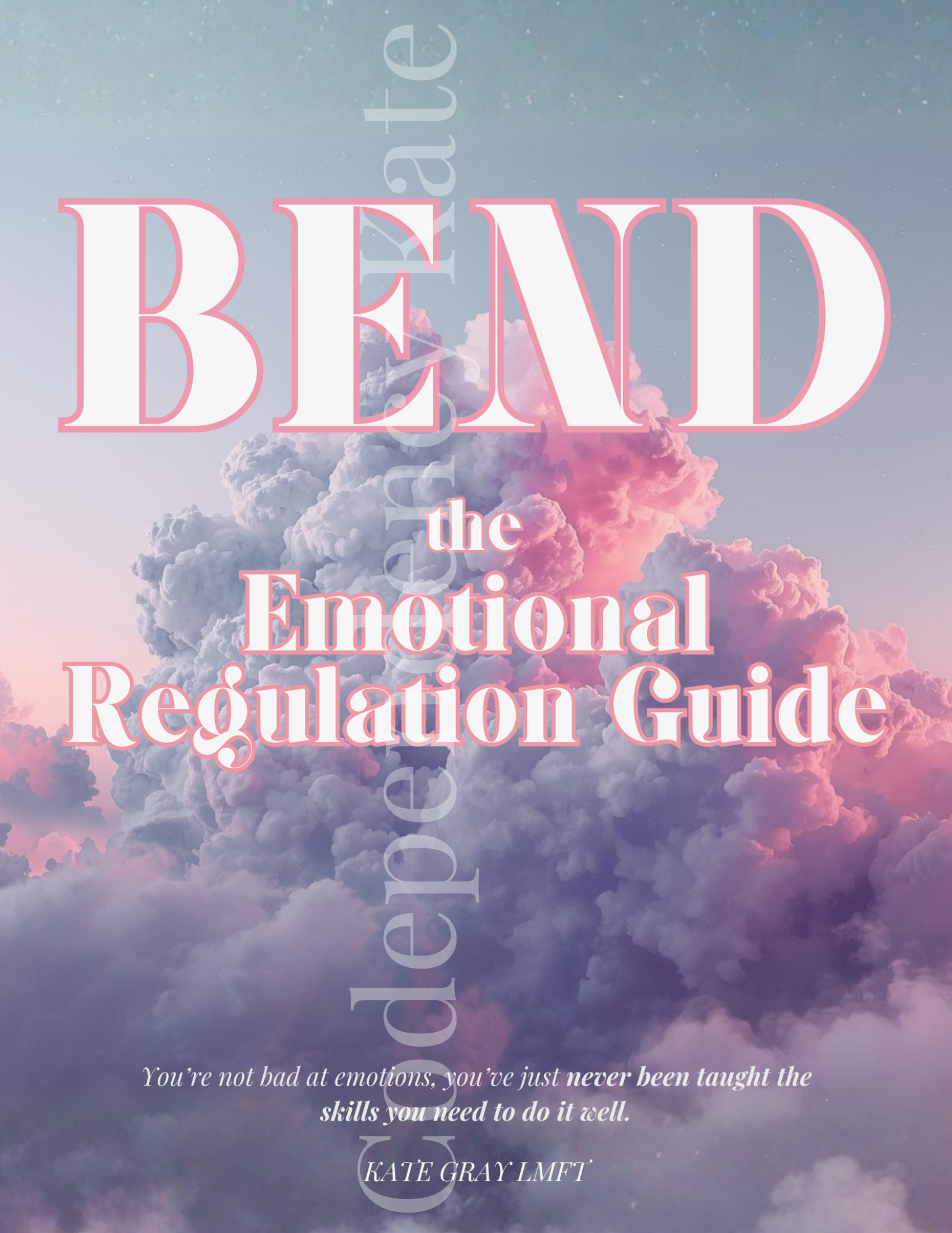 Image 1 of 8
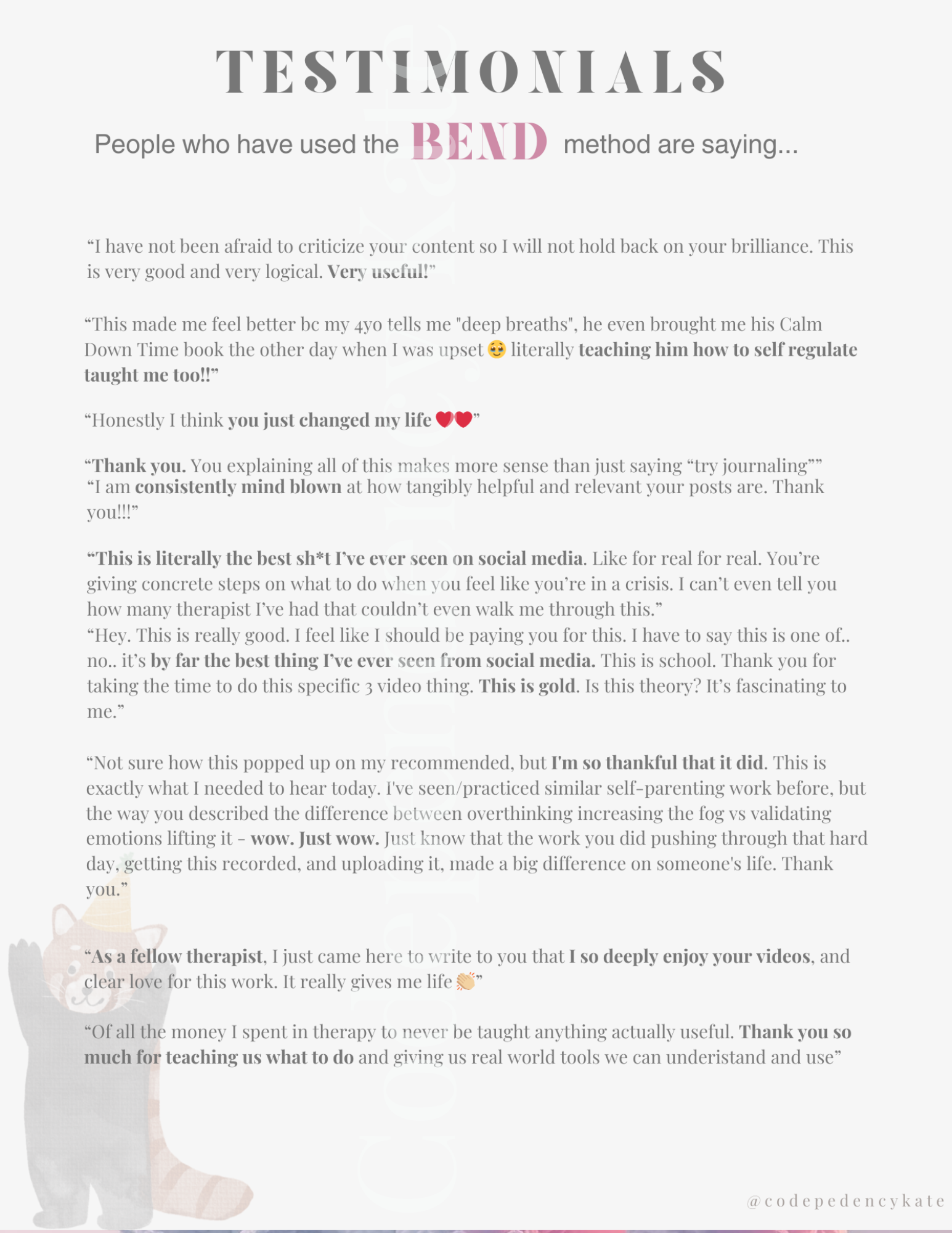 Image 2 of 8
 Image 3 of 8
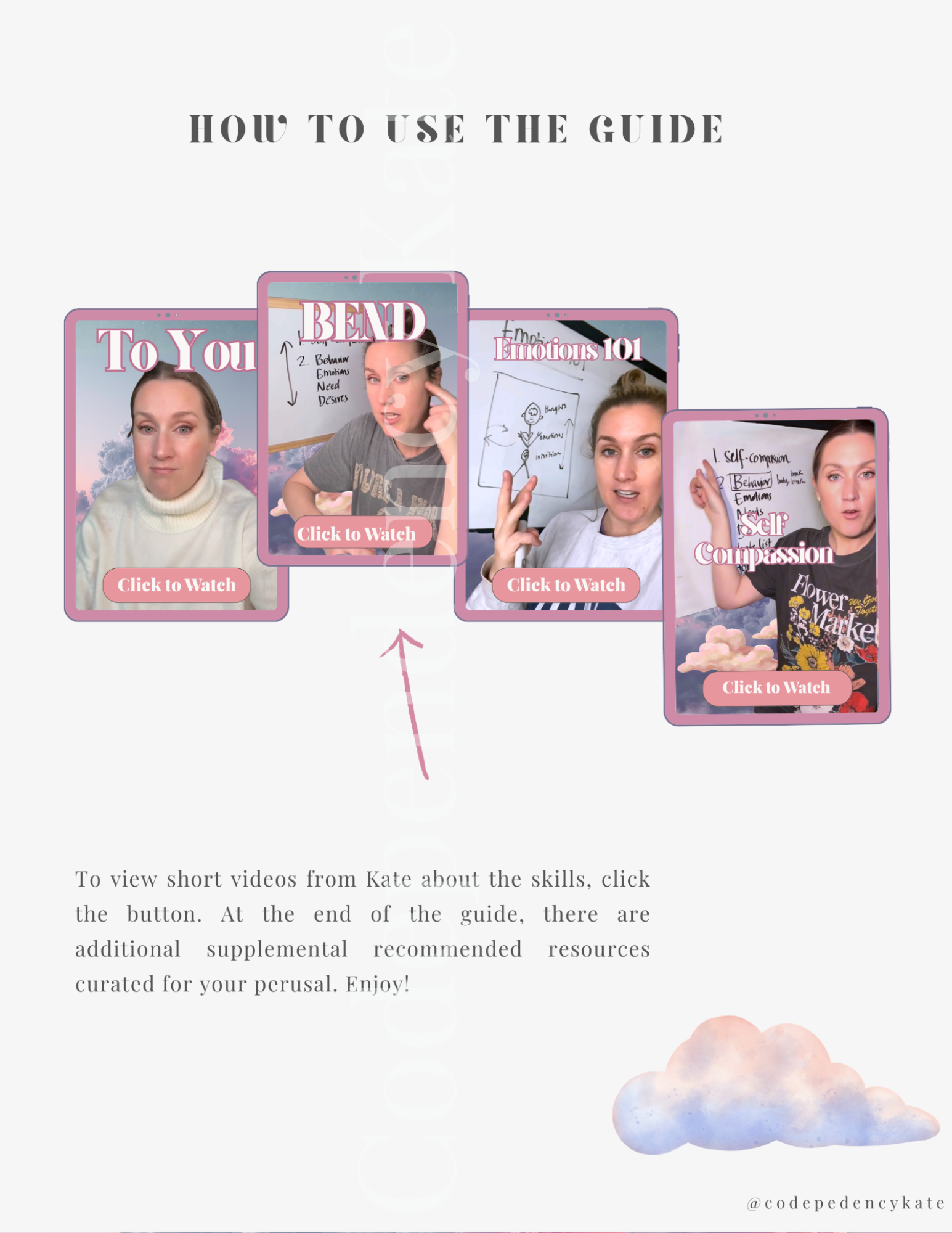 Image 4 of 8
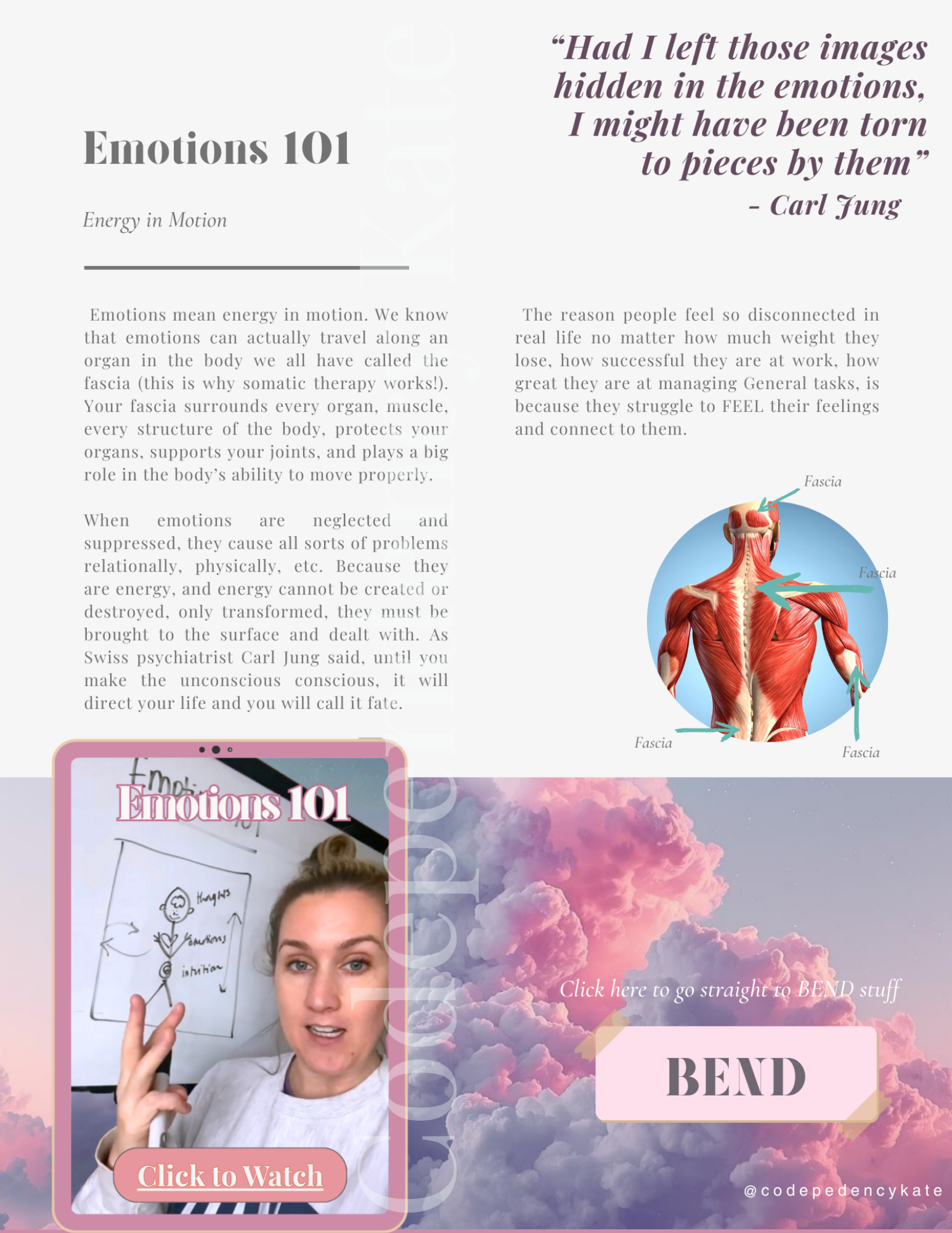 Image 5 of 8
 Image 6 of 8
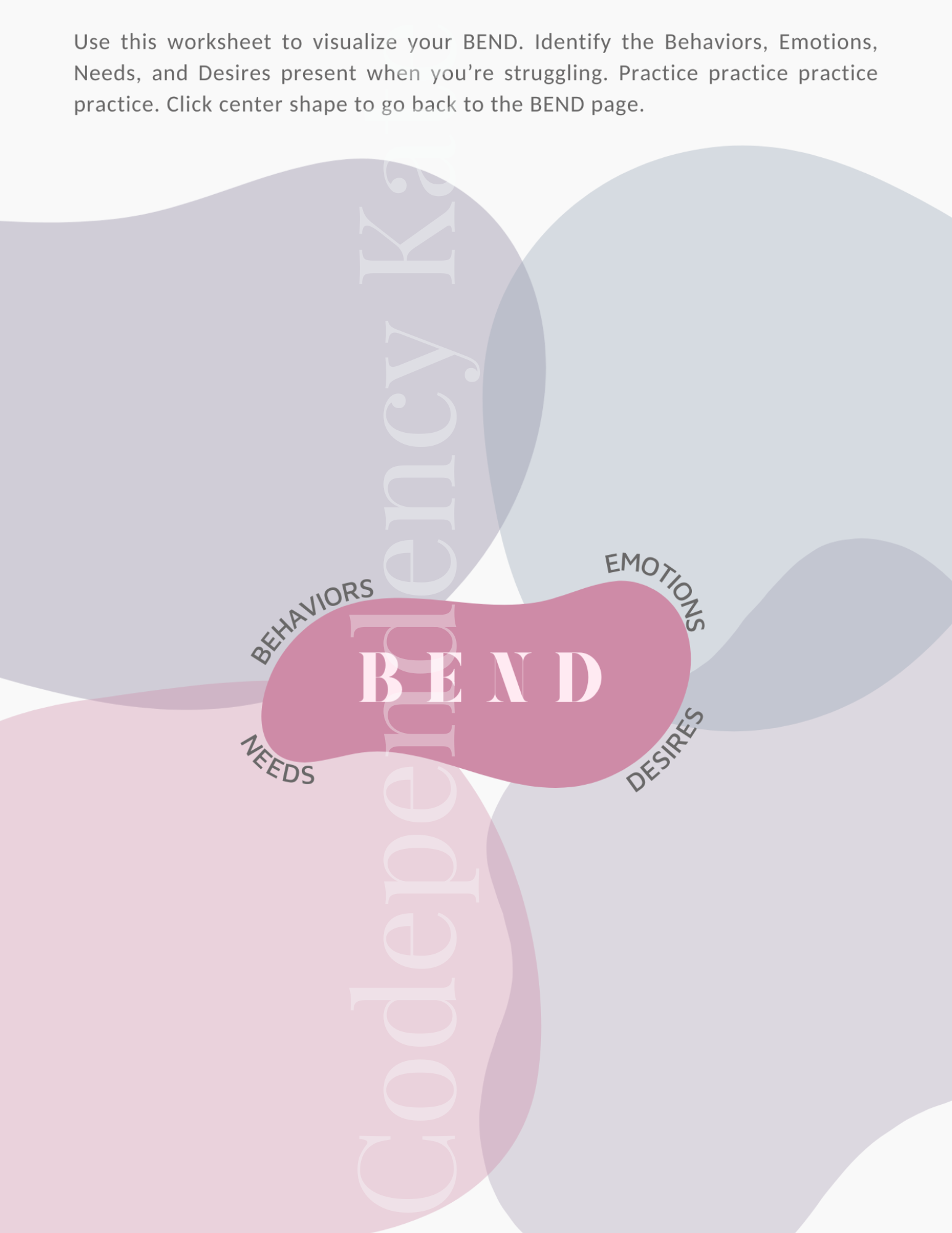 Image 7 of 8
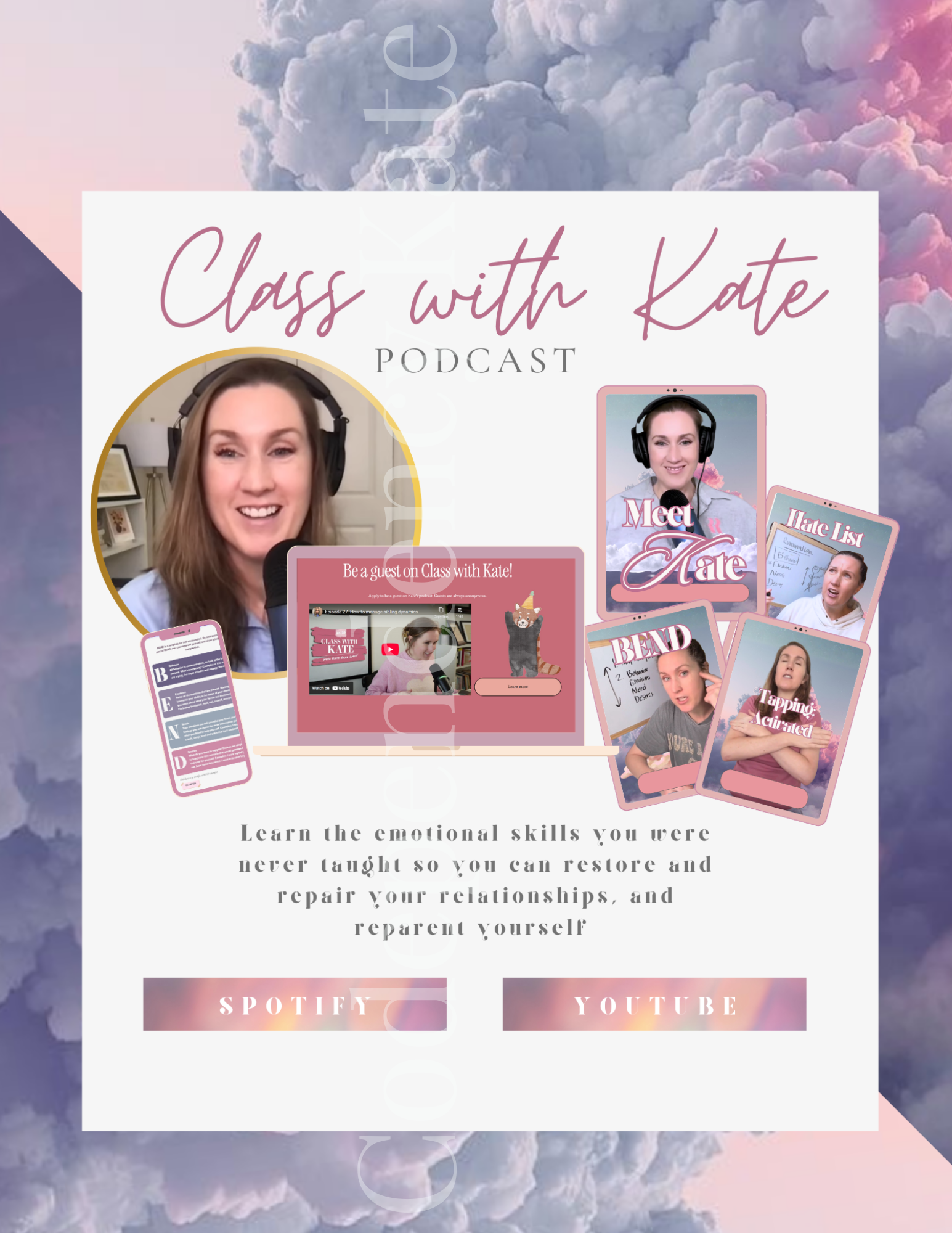 Image 8 of 8