

Parenting 101: Attach-Detach-Connect
Parenting is the hardest job in the world—and it is also the most important job in the world. So let’s get into it.
When we think about raising children, it helps to look at parenting through three key developmental stages: Attachment, Detachment, and Connection. Each stage shapes the kind of relationship you build with your child and influences how that relationship will look when they grow into adulthood.
Stage 1: Attachment

Stage 1: Attachment
The first stage of parenting is attachment.
This is what attachment looks like: them inside you.
It makes sense when you think about it. In the womb, your baby is surrounded by you. You are their entire environment. They feel everything you feel. It’s in their best interest to align with you.
When they are born, they come into the world with one survival instinct: to connect with their primary caregiver. That is the attachment phase.
But here’s the key: attachment is not connection. Attachment can actually slide into enmeshment, where the parent believes the child is an extension of themselves. Because children are hardwired to attach no matter what, they will often sacrifice their own needs to keep the parent’s approval—especially since they are legally and practically dependent until 18.
Stage 2: Detachment

Stage 2: Detachment
The second stage is detachment—and this is where most parents unintentionally go wrong.
This is what detachment looks like: you and your child are two separate people, connected by a line.
In this stage, your child begins to separate physically and emotionally. They form their own boundaries, their own sense of self. This doesn’t mean disconnection—it means growth.
The scary part is that even with the best intentions, parents can mess this up. But here’s the truth: when you know better, you can do better. Supporting your child’s healthy detachment is the most important gift you can give, because it’s what prevents estrangement later in life.
Stage 3: Connection
Stage 3: Connection
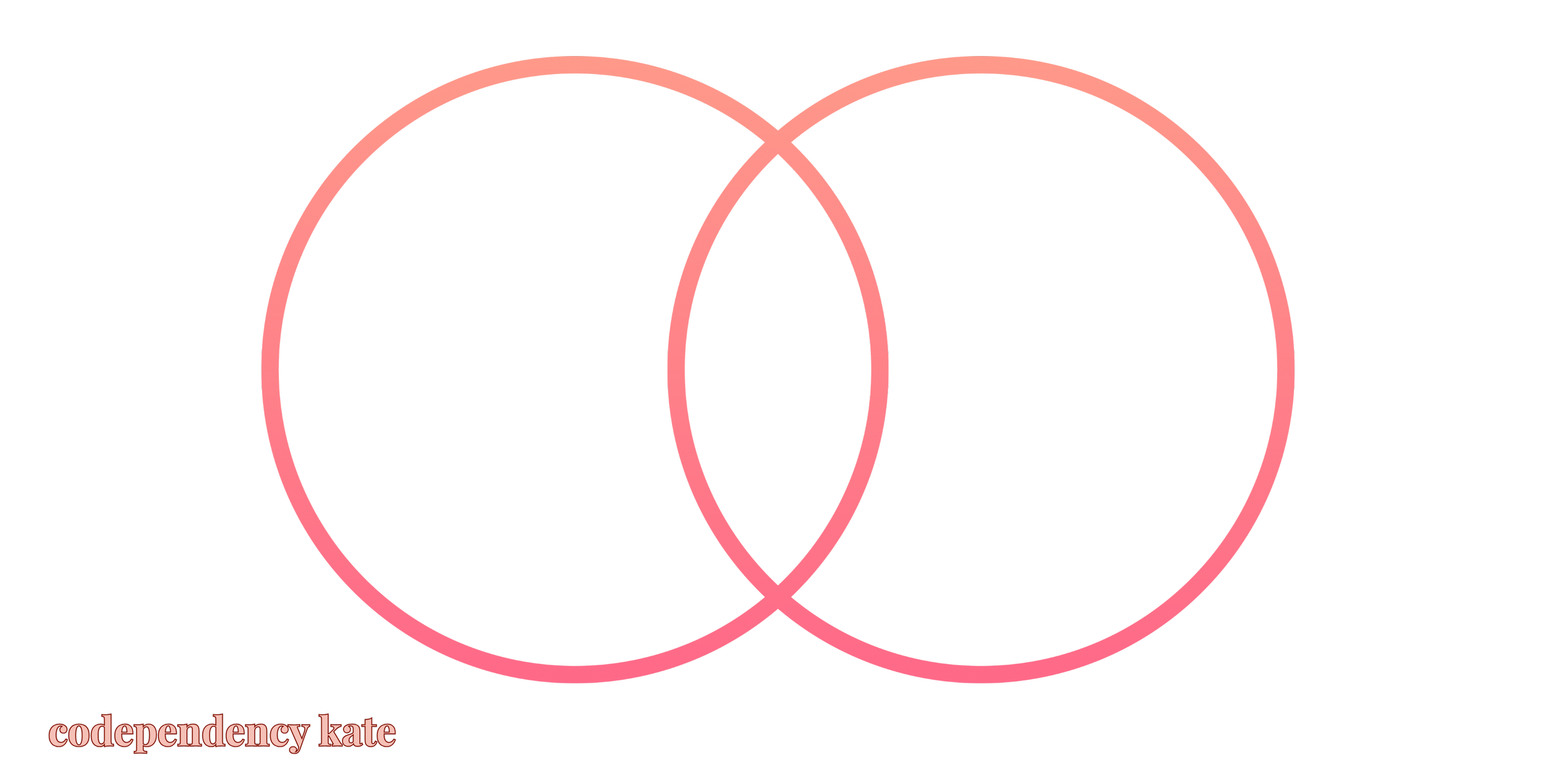
The third stage is connection.
This is what real love feels like—not dependency, not control, but mutual respect and closeness. Connection is only possible when both attachment and detachment have been honored.
Healthy connection means your child grows into an adult who can return to you not out of obligation, but out of genuine love and choice.
Why Parents Struggle With These Stages
Many parents struggle to guide their kids through these phases because they haven’t experienced healthy attachment, detachment, or connection themselves.
We often see this in adult relationships: people stuck in anxious/avoidant cycles or the drama cycle where one partner over-functions and the other under-functions. This dynamic often shows up in heterosexual relationships, where women historically had to over-function for survival while men under-functioned due to cultural and economic realities.
From a family systems perspective, it all comes back to the partnership. The caregiver’s relationship with themselves and with their partner directly affects their ability to help their kids navigate attachment, detachment, and connection.
The Parenting Work is Also Self-Work
Here’s the truth: to help your kids move through these three phases in a healthy way, you have to practice the same process in your own relationships—whether with a partner, with friends, or even with yourself.
Even if you are a single parent, the principle applies:
Ask yourself, Are my relationships rooted in attachment survival? Do I allow for healthy detachment in my own life? Am I building true connection—or just clinging to attachment?
There is no judgment here. Wherever you are is valid. Parenting is about learning. The most important question to carry with you is this:
